About Bentonite Roasted Mesh Powder
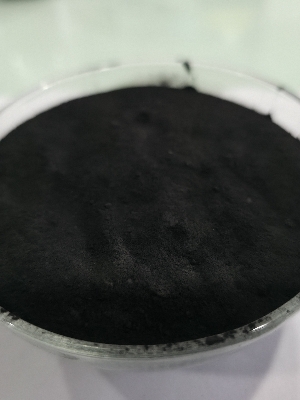
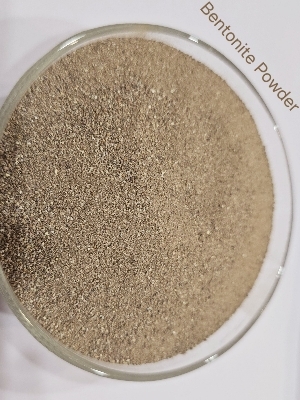
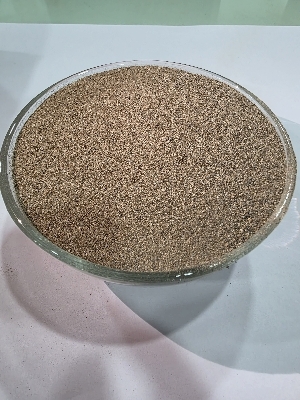
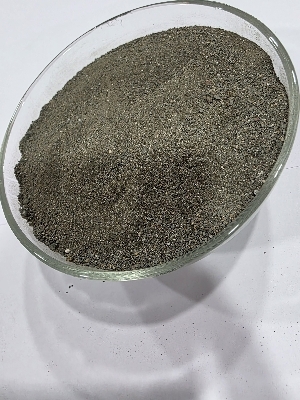
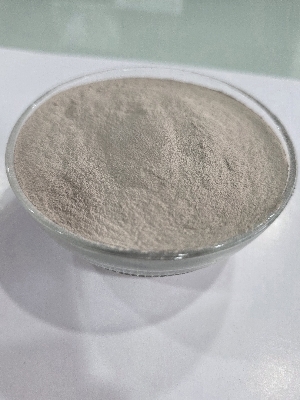
Bentonite Roasted Mesh Powder is a vegetable-based growth supplement for soil application that is environmentally friendly. Its granules support more uniform product growth, higher yields, stronger plant resistance to drought and stress, higher output, fewer fruit dropouts, and less floral wilting. It is mostly used in industries like agriculture and fertilizer. To order this Bio Granule, kindly call us.Bentonite Roasted Granules are a type of bentonite clay that has been roasted to enhance its properties. Here are some key details :- Physical Characteristics :- Appearance :- Roasted granules with a darker color than raw bentonite Form :- Granules Size :- Various mesh sizes available (e.g., 200 , 100 , 50 , etc) Moisture Content :- Typically low (e.g., 0.5% to 7%) Applications :- Drilling Mud , Foundry , Purification , Pharmaceuticals , Agriculture , etc. Benefits :- Improved Thermal Stability , High Absorption Capacity , High Swelling Capacity , Chemical Stability . Grades :- Bentonite Roasted Granules are available in various grades, including :- Industrial Grade , Pharmaceutical Grade , Agricultural Grade , etc. Packaging :- Bentonite Roasted Granules are typically packaged in Bags
Enhanced Material Properties for Industrial ApplicationsDesigned to deliver superior binding and absorption qualities, our Bentonite Roasted Mesh Powder is preferred in various chemical industry processes. Its high swelling index, along with impressive bulk density and custom mesh sizes, ensures optimal performance in blending, pelletizing, and purification operations. The product is engineered for consistency, durability, and ease of use, making it ideal for manufacturers looking for reliable input materials.
Versatile Packaging for Secure DeliveryUnderstanding the diverse needs of our clients, we offer Bentonite Roasted Mesh Powder in flexible packaging options, such as HDPE and jumbo bags. This ensures product integrity, prevents contamination, and allows for efficient handling during transportation and storage. Each package is meticulously sealed to maintain the product's shelf life and performance, enabling seamless inventory management for suppliers and end-users alike.
FAQ's of Bentonite Roasted Mesh Powder:
Q: How is Bentonite Roasted Mesh Powder used in the chemical industry?
A: Bentonite Roasted Mesh Powder is primarily utilized as a binder, absorbent, and pelletizing agent in the chemical industry. Its high swelling index and strong binding properties facilitate efficient compounding, purification, and pellet formation in various chemical processes.
Q: What makes this Bentonite powder suitable for binding and pelletizing?
A: The powder's high swelling index (12-15 ml), excellent water absorption capacity, and significant strength ensure strong particle cohesion. These characteristics make it especially suitable for binding and pelletizing applications, providing durable and consistent results in manufacturing.
Q: What are the packaging and storage recommendations for this product?
A: Our Bentonite Roasted Mesh Powder is available in HDPE bags and jumbo bags as per customer requirements. For optimal shelf life of 12 months, it should be stored in a cool, dry place away from moisture and contaminants, keeping the packaging sealed until use.
Q: Where can custom mesh sizes be obtained?
A: Custom mesh sizes from 60 to 200 mesh are available upon request from the manufacturer or supplier. These tailored options enable users to select the most suitable granulometry for their specific industrial applications.
Q: What are the primary benefits of using Bentonite Roasted Mesh Powder?
A: Users benefit from this powder's odorless, insoluble nature, and chemical stability. It offers high binding efficiency, good water absorption, customizable mesh sizes, and secure packaging, making it a reliable and versatile material for various chemical industry processes.
Q: Is Bentonite Roasted Mesh Powder safe to handle and store?
A: Yes, the product is odorless, non-toxic, and safe for use in industrial environments. To maintain quality, it should be handled with care, avoiding contact with moisture, and stored according to the manufacturer's guidelines.




 Send Inquiry
 Send Inquiry

